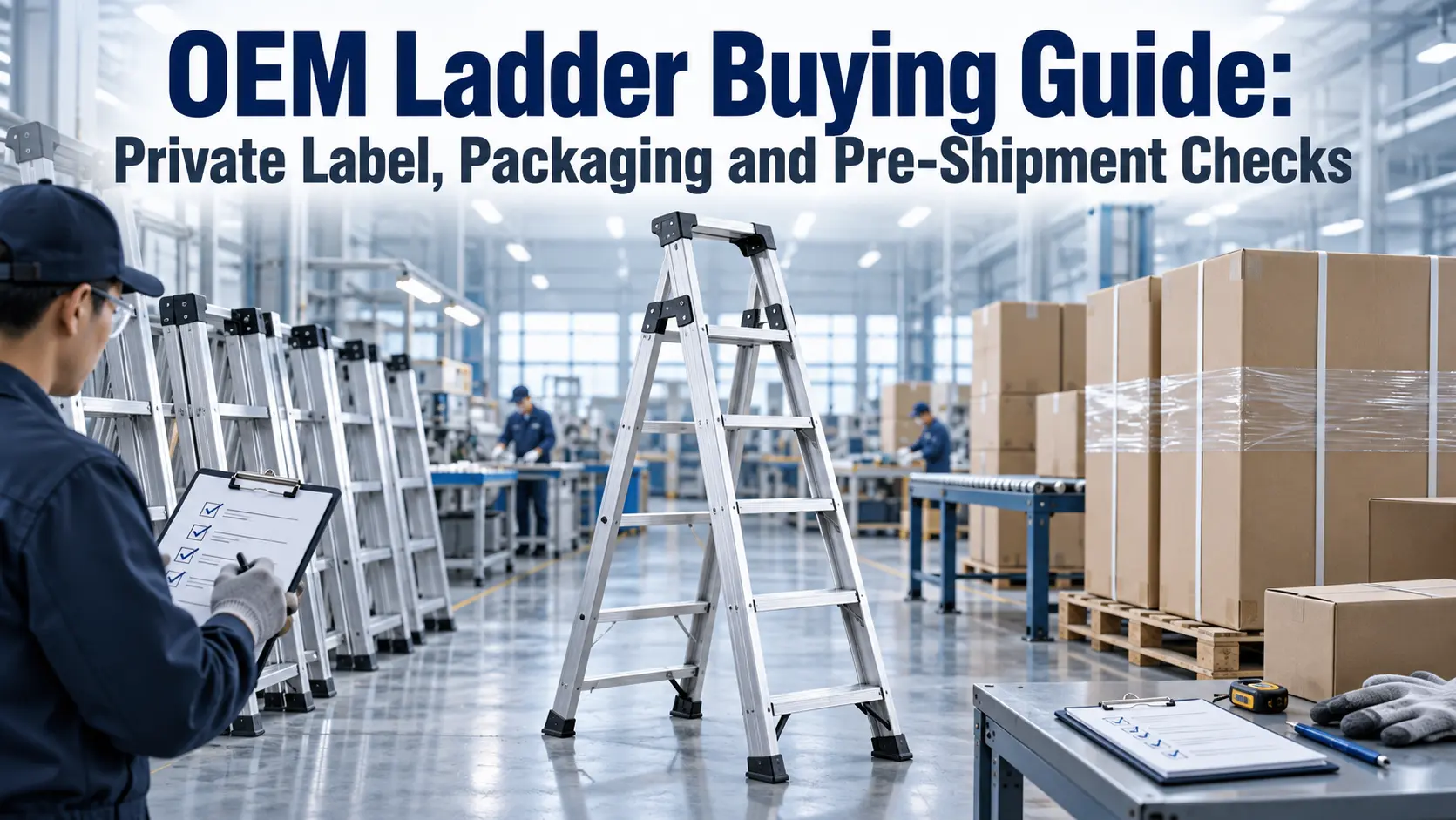
For importers, wholesalers, brand owners, project buyers, and quality inspection teams, a clear ladder quality control checklist is essential before approving samples or shipping bulk orders. Ladders are safety-related access products, so small defects in materials, structure, anti-slip parts, labels, or packaging can create serious problems after delivery.
A good inspection process does not only look at appearance. It checks whether the ladder is stable, consistent, correctly assembled, properly marked, and suitable for the buyer's target market. This guide explains the key quality points B2B buyers should review before confirming a ladder order or arranging a pre-shipment inspection.
Fine Ladder supplies multiple types of ladders and access equipment for overseas B2B buyers. From a manufacturer's perspective, ladder quality control should cover raw materials, production details, functional testing, packaging, sampling, and communication before shipment.
When buying one ladder, a visible defect may be easy to notice. When buying hundreds or thousands of ladders, quality consistency becomes much more important.
Poor ladder quality control can lead to:
For B2B buyers, the goal is not to find a "perfect" factory with zero possible issues. The goal is to work with a supplier that has a practical inspection process, clear standards, and the ability to correct problems before shipment.
Material quality is the foundation of ladder safety and durability. Buyers should confirm that the materials match the approved sample, quotation, and product specification.
Depending on the ladder type, material checks may include:
For aluminum ladders, buyers often pay attention to profile strength, surface treatment, and structural consistency. For fiberglass ladders, the side rails should be clean, intact, and free from visible cracks, soft spots, or exposed fibers.
Many ladder defects start at connection points. Welds, rivets, hinges, brackets, and joints should be checked carefully because they affect stability and long-term use.
A ladder inspection checklist should include:
The inspector should also check whether repeated opening, closing, or extension causes unusual movement. A ladder may look acceptable at first glance but still feel unstable when operated.
Steps and rungs are direct contact points for users. They should be stable, evenly installed, and designed to reduce slipping during normal use.
Key inspection points include:
For step ladders and platform ladders, check the standing platform, top cap, and step surface carefully. For extension ladders, rung strength and alignment are especially important.
Anti-slip feet are small parts, but they have a major impact on user confidence and product quality. Missing, loose, or poorly fitted feet can make the ladder unstable.
Inspect:
If the ladder is designed for outdoor, industrial, or agricultural use, the foot design should match the expected working environment.
Hinges and locking systems are critical for folding ladders, multipurpose ladders, telescopic ladders, and extension ladders. These parts should operate smoothly and lock securely.
Check:
For telescopic ladders, each section should lock correctly. For multipurpose ladders, hinge positions should be stable and easy to confirm before use.
Appearance is not only about visual quality. Surface defects may also indicate production inconsistency, handling damage, or poor finishing.
Inspect for:
For branded or OEM ladder orders, appearance consistency is especially important because it affects retail presentation and customer trust.
Labels help users understand the ladder's intended use, warnings, and limits. For B2B buyers, label accuracy should be checked before shipment.
Review:
Do not claim specific certifications, test results, or compliance statements unless they are confirmed with valid documentation. If a buyer needs market-specific labels, this should be discussed before production.
A practical ladder safety inspection should include functional handling, not only visual checking.
Depending on the product type, inspection may include:
The inspector should look for unusual shaking, difficult operation, loose components, or inconsistent movement between samples.
Packaging is a common source of B2B order problems. Even if the ladder is well made, weak packaging can lead to scratches, deformation, missing accessories, or poor retail presentation after long-distance transport.
A packaging checklist should cover:
For importers and wholesalers, packaging should match the sales channel. A retail warehouse buyer may need different packaging from a project buyer or industrial distributor.
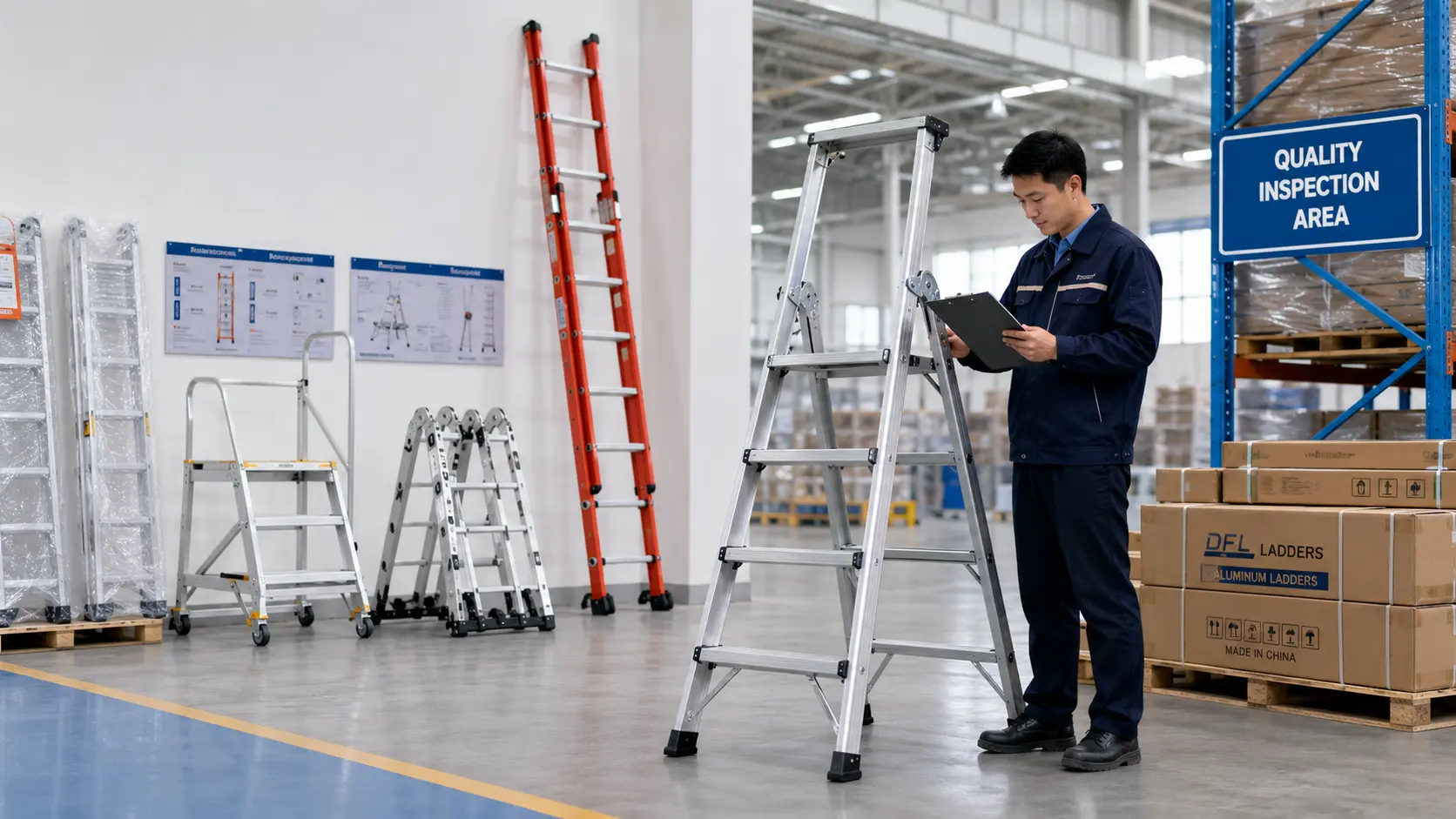
Sampling helps buyers check whether bulk production matches the approved sample. The sampling plan should be agreed before inspection.
Common inspection steps include:
For large orders, buyers may also arrange third-party inspection or ask the supplier to provide inspection photos, videos, and reports before shipment.
Before confirming shipment, B2B buyers should ask:
This checklist helps reduce risk, but it should be adapted to the specific ladder type, order quantity, buyer requirements, and target market.
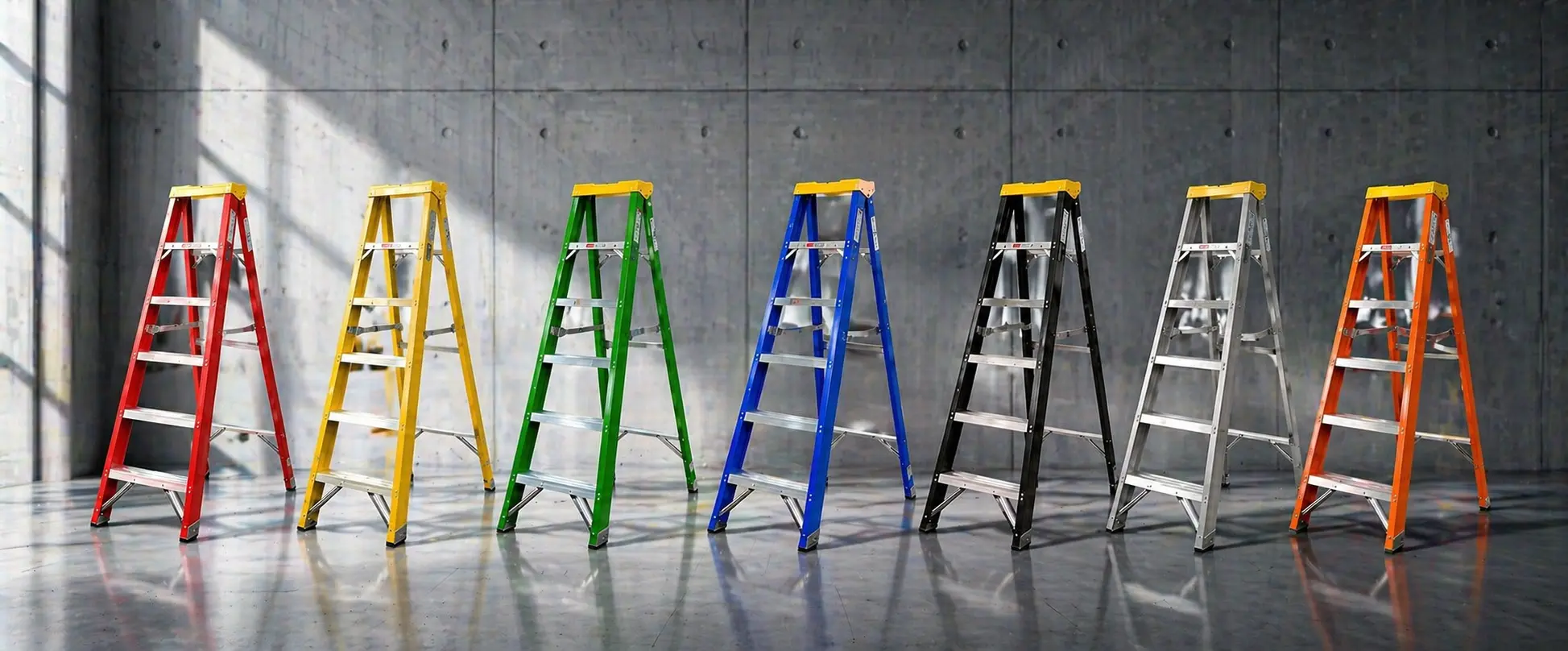
Fine Ladder works with overseas B2B customers who need stable ladder manufacturing quality, clear specifications, and practical support for bulk orders. Product categories include step ladders, extension ladders, telescopic ladders, multipurpose ladders, fiberglass ladders, platform ladders, fruit ladders, towers, podiums, and ladder accessories.
For buyers preparing a new order, Fine Ladder can discuss:
The best time to discuss inspection requirements is before production begins. Clear requirements help both buyer and supplier reduce misunderstanding and improve shipment readiness.
A strong ladder quality control checklist helps B2B buyers reduce risk before approving samples, confirming bulk production, or arranging pre-shipment inspection. The most important areas include materials, joints, steps, anti-slip feet, hinges, locks, surface treatment, labels, packaging, and sampling.
For importers, wholesalers, brand owners, project buyers, and quality inspection teams, ladder quality should never be judged by price or appearance alone. A professional supplier should understand how ladder structure, packaging, consistency, and communication affect long-term B2B cooperation.
If you are planning a bulk ladder order, contact Fine Ladder to discuss product specifications, sample confirmation, packaging needs, and quality control expectations before production.
A ladder quality control checklist should include materials, welding or riveting, steps and rungs, anti-slip feet, hinges, locks, surface treatment, load rating labels, packaging, sampling, and pre-shipment inspection.
Pre-shipment inspection helps confirm that finished products match the approved sample and agreed specifications before the goods leave the factory. It can reduce the risk of receiving defective, mislabeled, or poorly packed products.
Common issues include loose rivets, unstable hinges, weak anti-slip feet, scratches, uneven finishing, incorrect labels, missing accessories, poor packaging, and inconsistent production quality between units.
Buyers can reduce risk by confirming specifications early, approving samples before mass production, checking key structural parts, reviewing packaging, and arranging supplier or third-party pre-shipment inspection.
Yes. Packaging protects the product during export transport and affects retail presentation. Buyers should check carton strength, inner protection, labels, accessories, manuals, and shipping marks.
Fine Ladder can discuss product specifications, sample confirmation, packaging needs, OEM/ODM details, and quality expectations with overseas B2B buyers before bulk production.